|
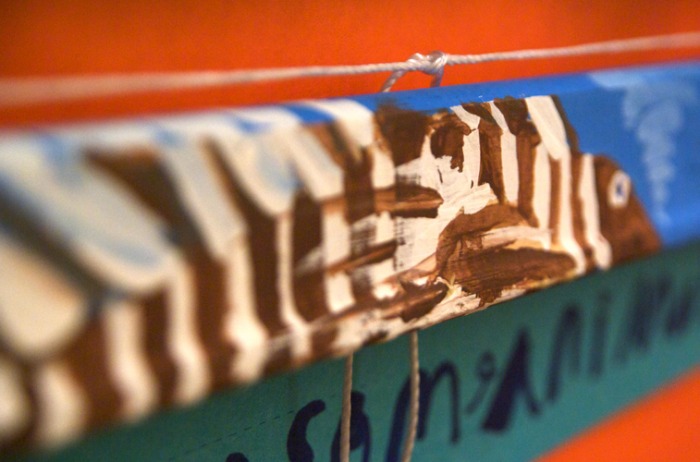
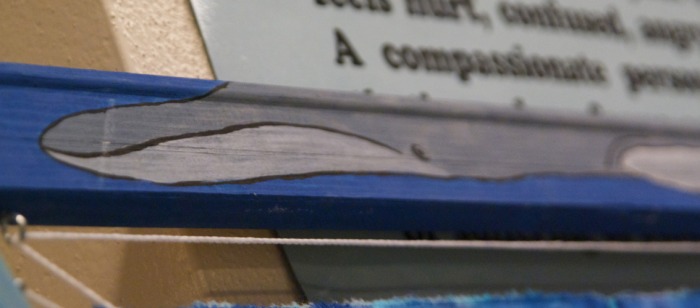
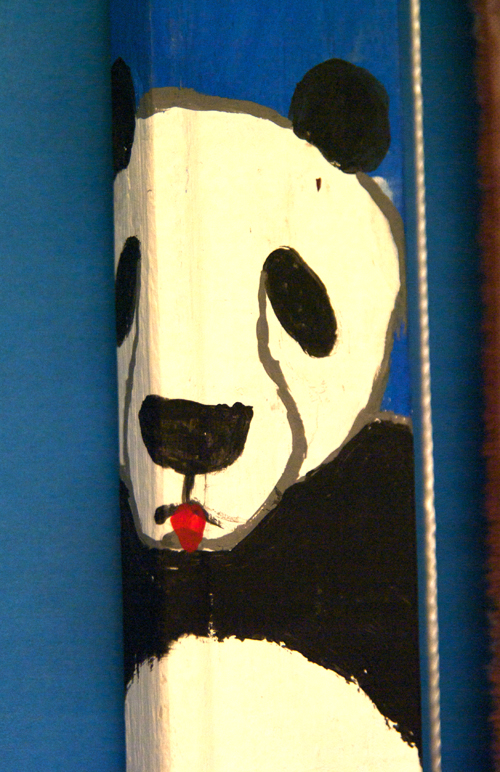
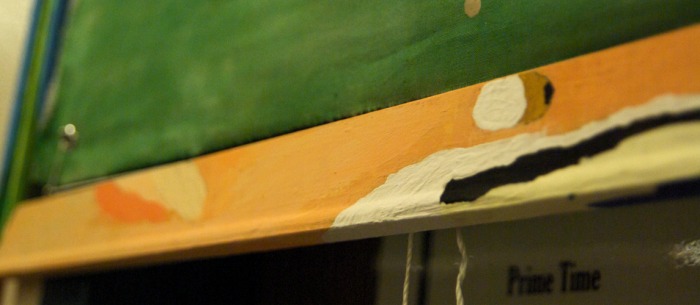
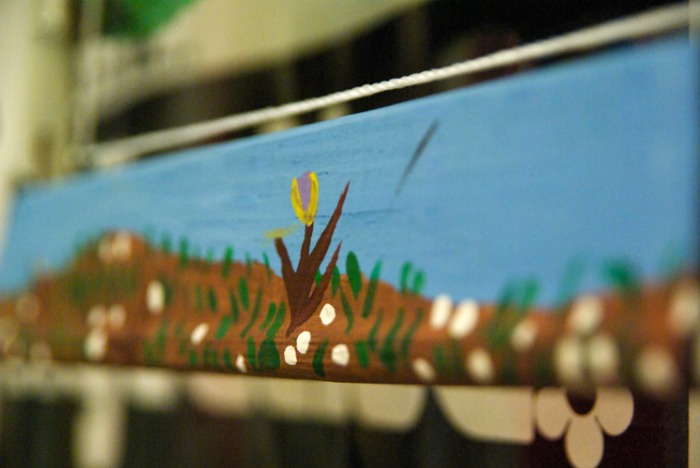
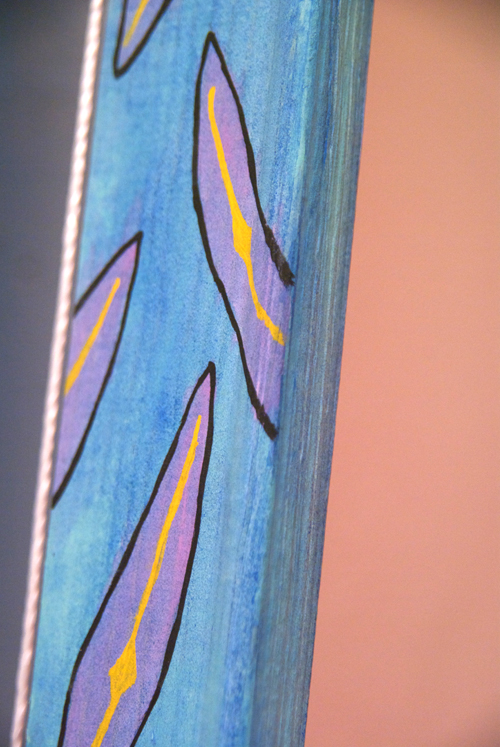
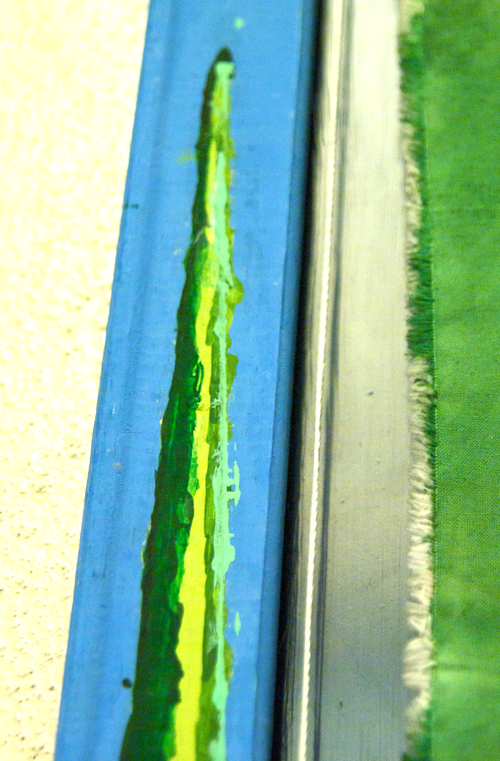
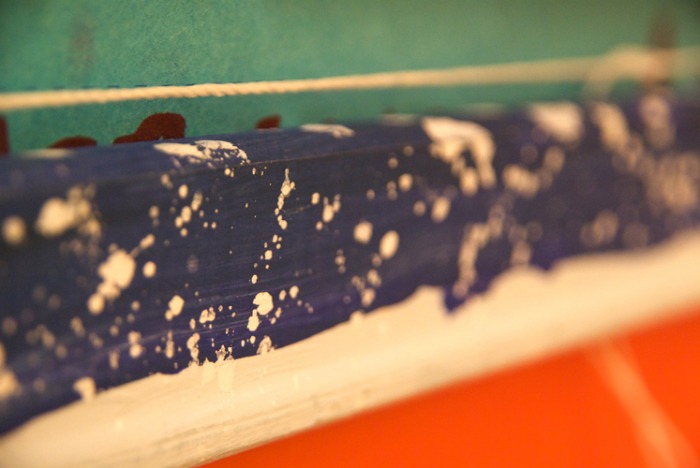
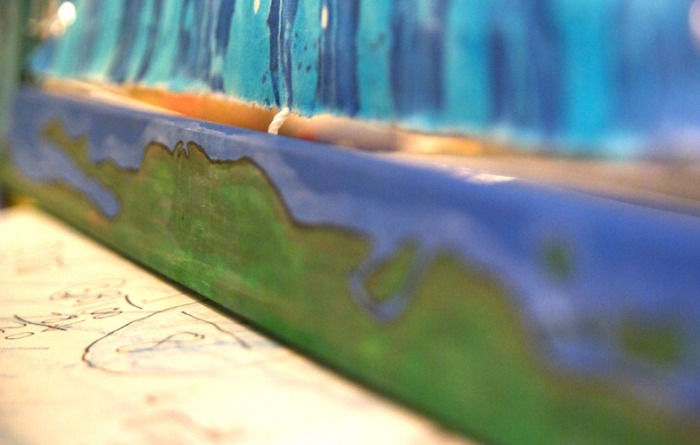
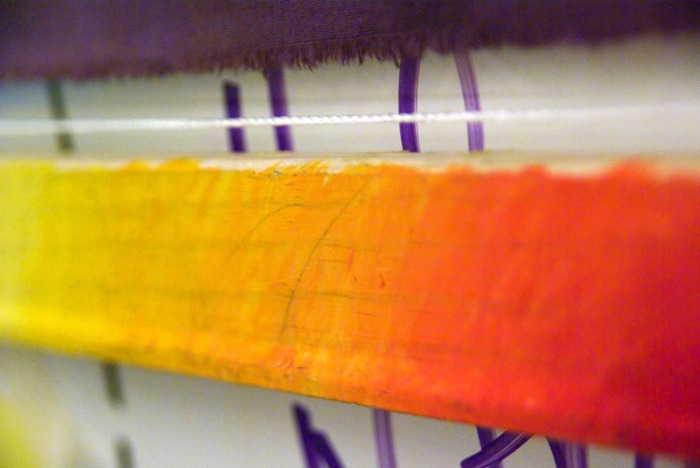
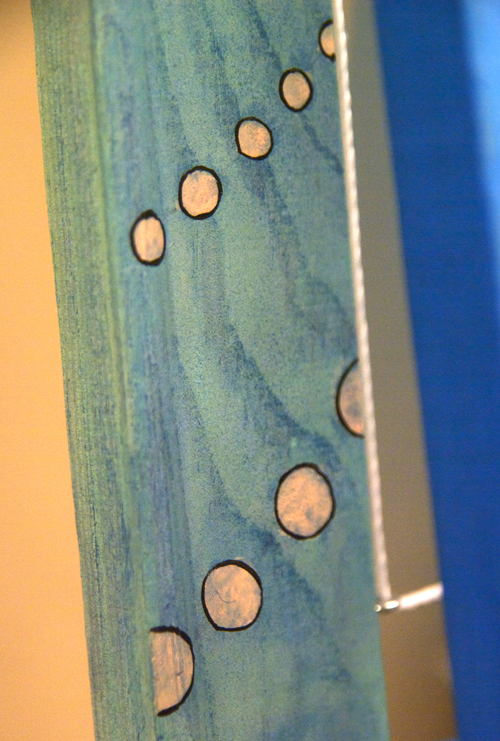
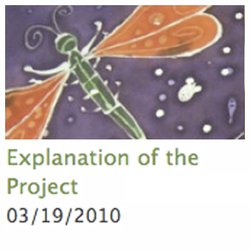
This account exists in multiple parts: • Volume 1: Explanation of the Project • Volume 2: The Frames and the Four Factors • Volume 3: Starting the Batik Process • Volume 4: Color Planning Gets More Complex • Volume 5: It's Time to Die! ...ahem... I Mean Dye. • Volume 6: These Incredible Artists Click on any image throughout to see a larger version. :::::::::::::::::::::::::::::::::::::::::::::::::::::::::::::: 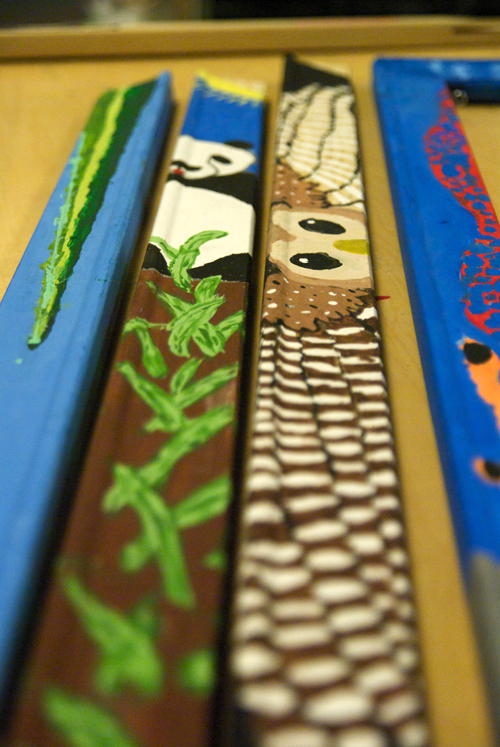 The batik project that the students were going to create was to be suspended within a wooden frame. The four-sided frame lent itself well to the four focus factors of the biome project: animal, plant, natural cycle, and abiotic factor. The frame would thus consist of four individual art pieces surrounding the final batik. Since the "canvas" was long and thin, students practiced their art in pencil first, often stretching a reference image using a proportional grid. The student below is sketching the head of a red fox onto one side of the wooden frame. 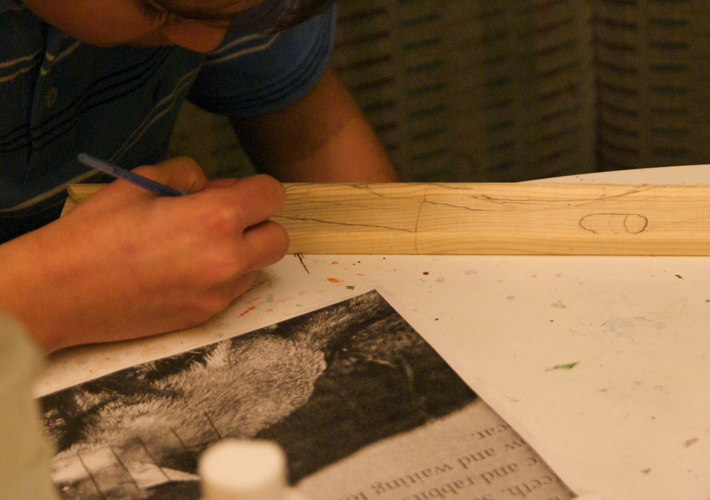 Creating just the right shade by mixing various colors of paint was a new experience for some students, and an "accidental" shade created on one student's palette could be the perfect color for another project. 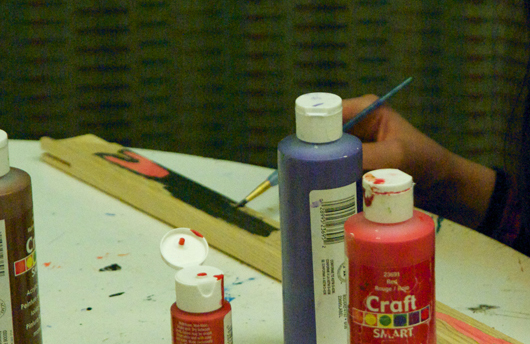 Finishing one side of a frame was a satisfying accomplishment. This student is adding a final stroke to complete the owl. 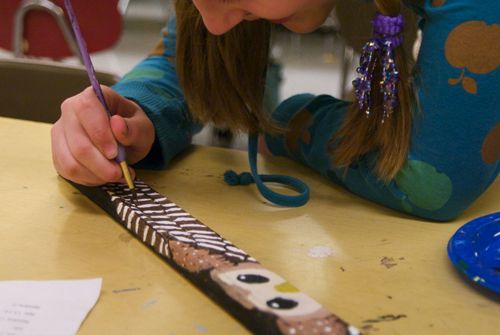 One side of each student's frame was dedicated to their primary animal. This animal would be the subject of both their research paper and their imaginative story. Below are a lionfish, humpback whale, armadillo, giant panda, and red fox. Another side must portray a plant. The plant could be either a plant specifically important to the focus animal, or a plant generally significant to the biome. Below are a flower in a grassy meadow, diatoms, and a single blade of grass. Natural cycles made up the third frame piece. The cycle should be one that has a direct impact on the animal or biome. Below are decomposition / nutrient cycle, the seasons (close up on winter), the water cycle (shown as snow), and seasonal migration (western coastline of North America). The last frame piece must depict an abiotic (non-living) factor crucial to the animal and its biome. This concept was a bit tricky because some natural cycles can also be considered abiotic factors, and vice versa. Below are sunshine and oxygen.  • Previous Post - Epic Art, Volume 1: Explanation of the Project • • Next Post - Epic Art, Volume 3: Starting the Batik Process • Comments are closed.
|
Topics
All
Archives
May 2021
|






 RSS Feed
HOME |
PHOTOGRAPHY COLLECTIONS
|
© COPYRIGHT 2020. ALL RIGHTS RESERVED.
|