|
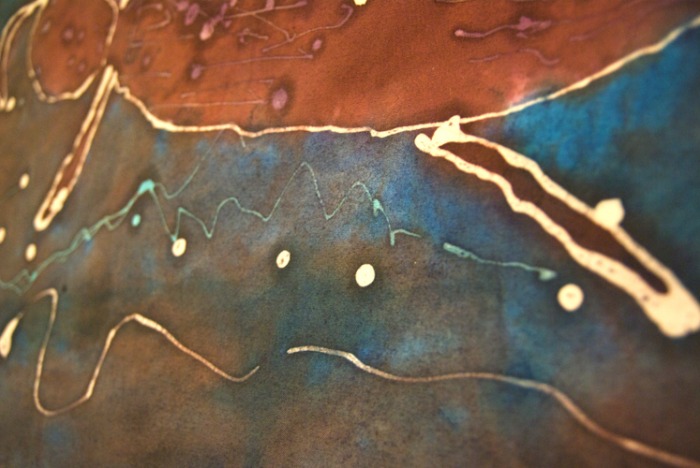
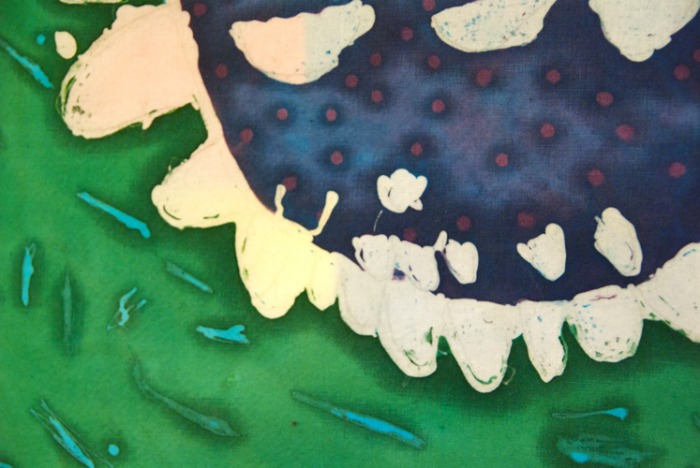
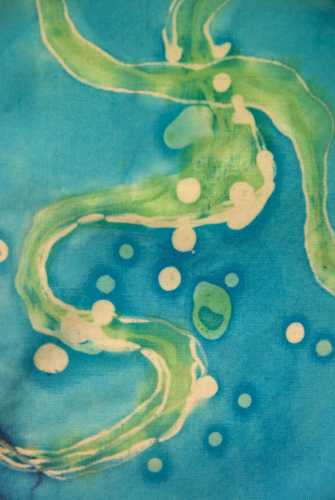
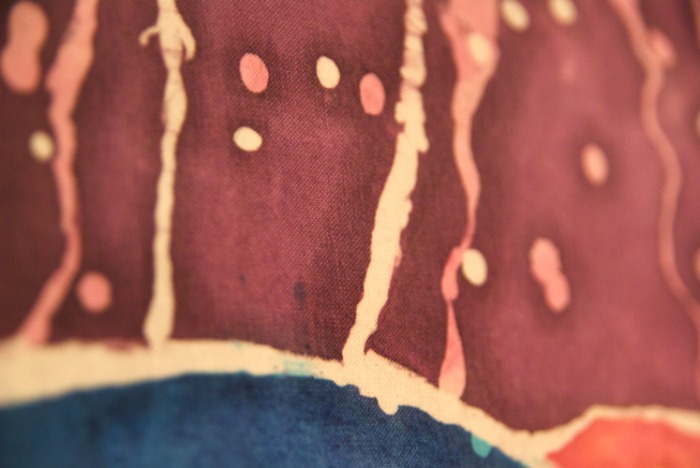
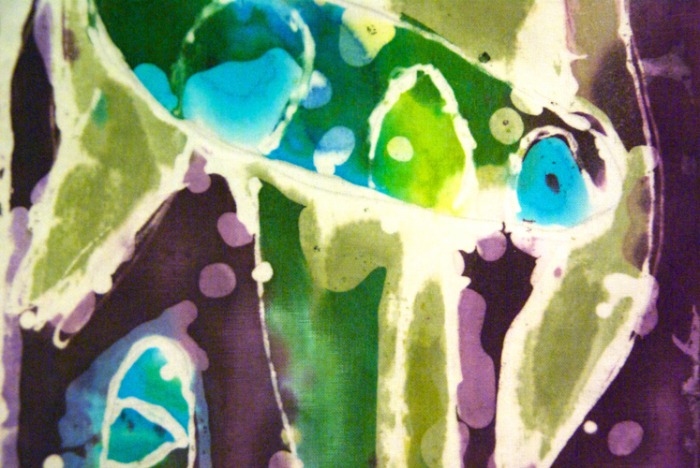
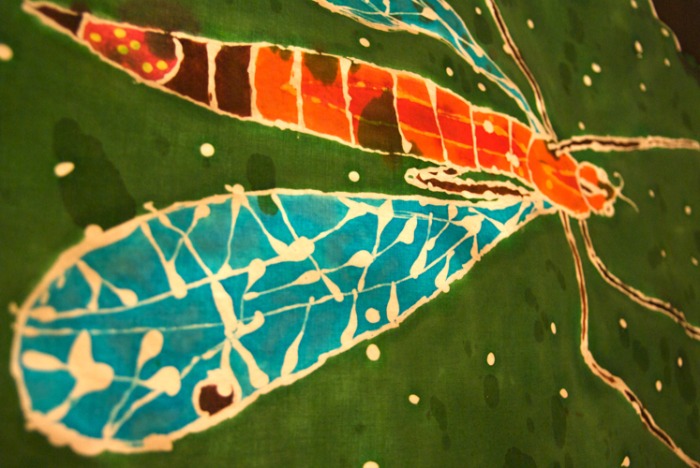
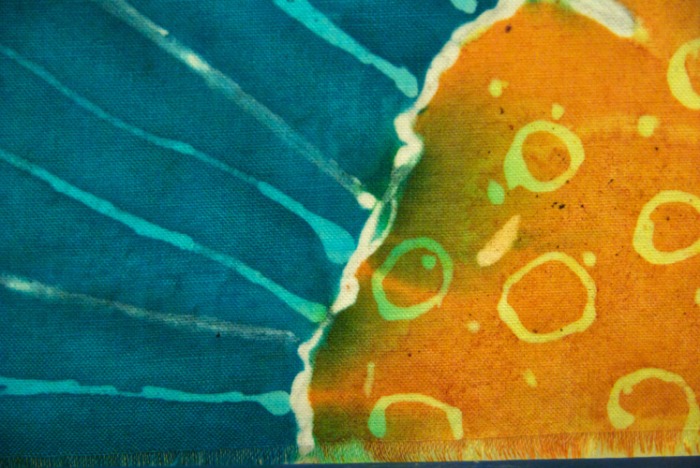
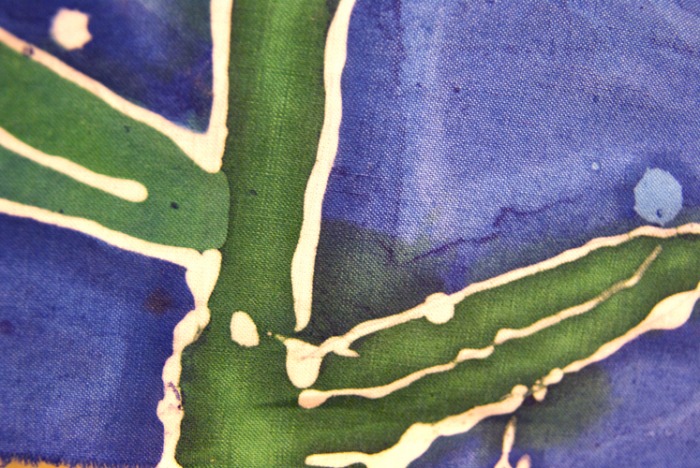
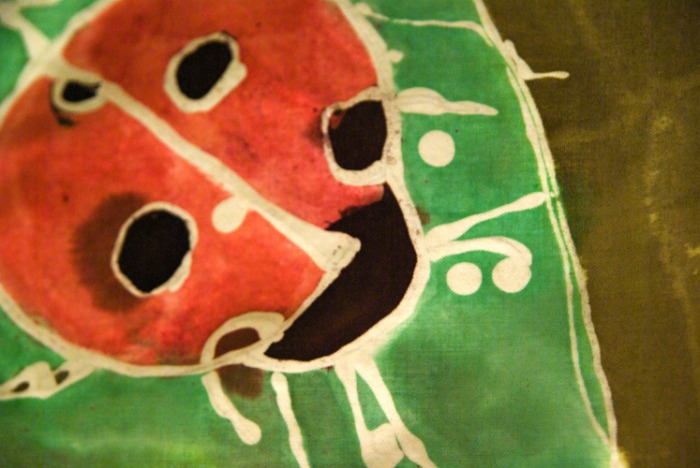
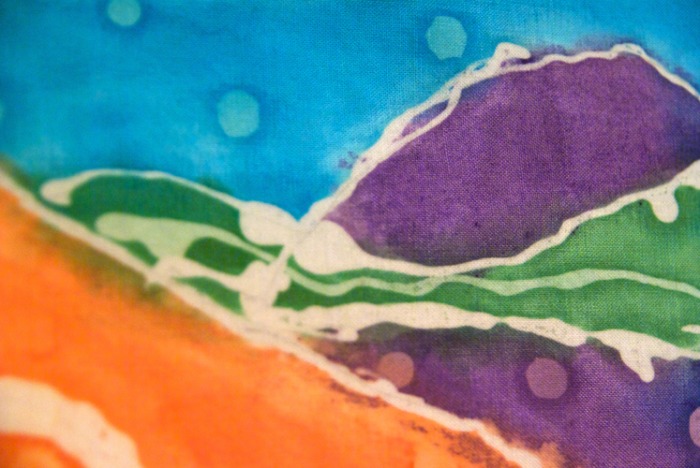
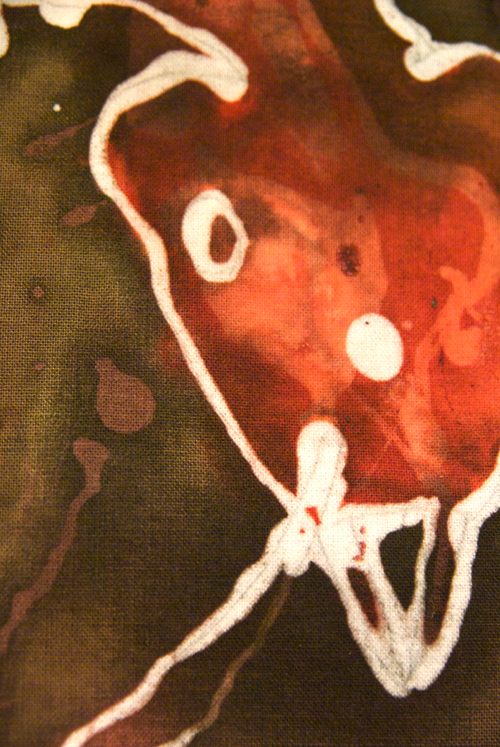
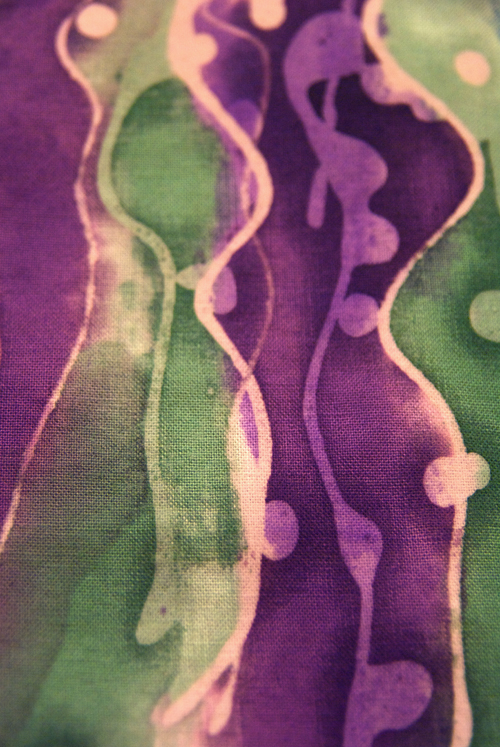
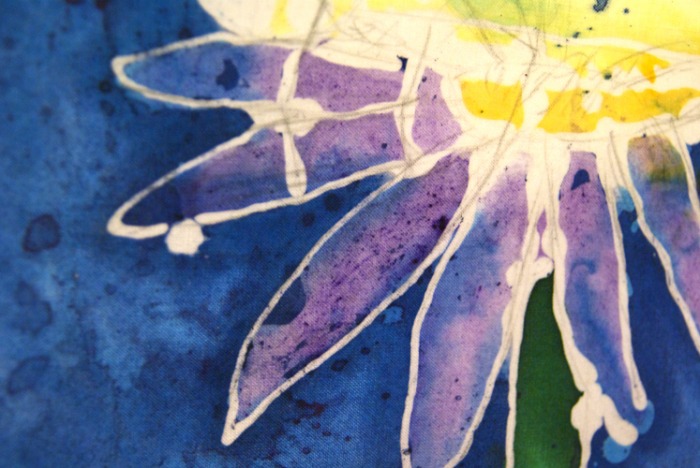
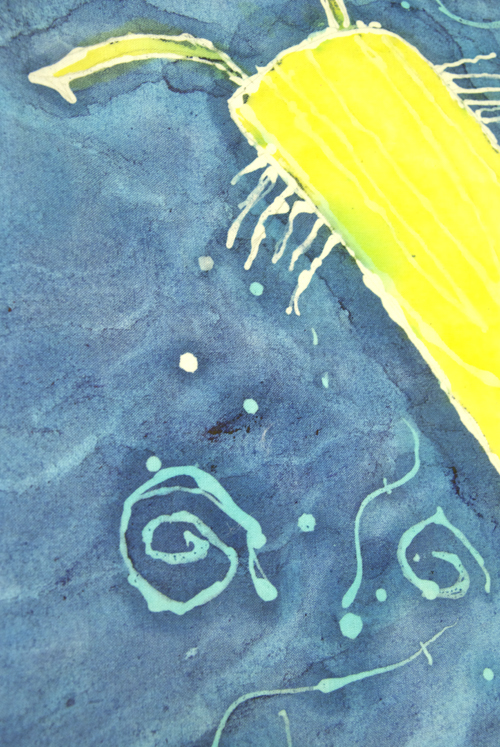
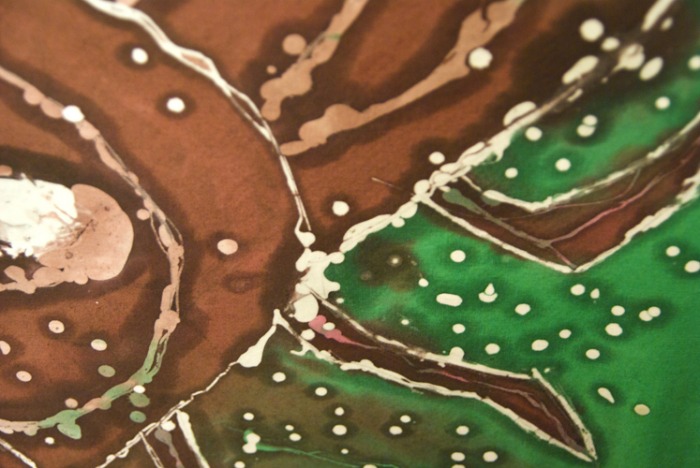
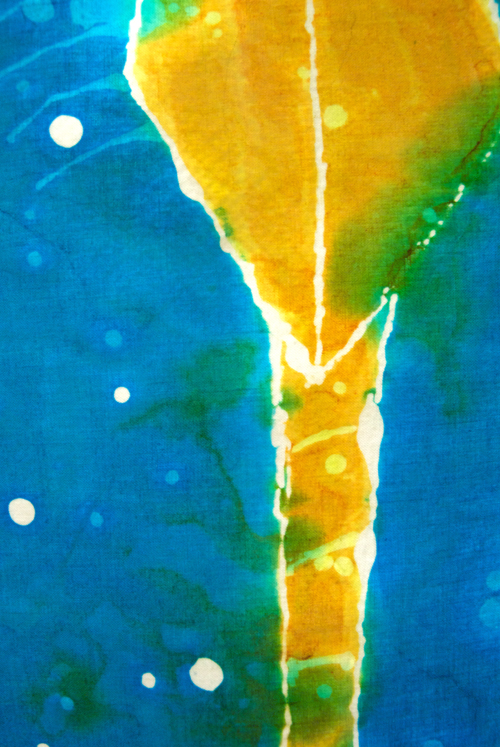
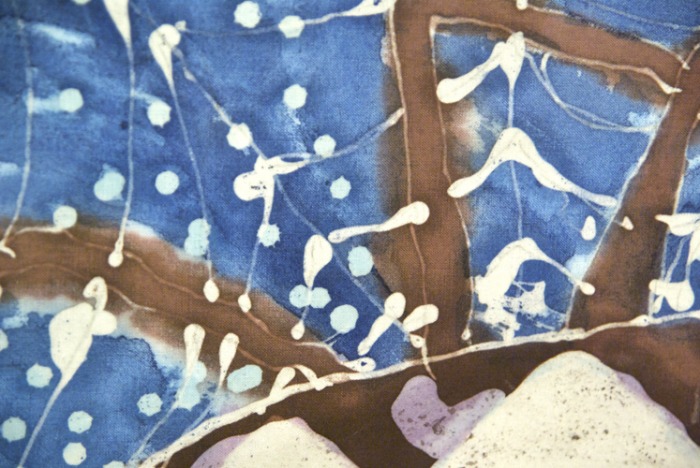
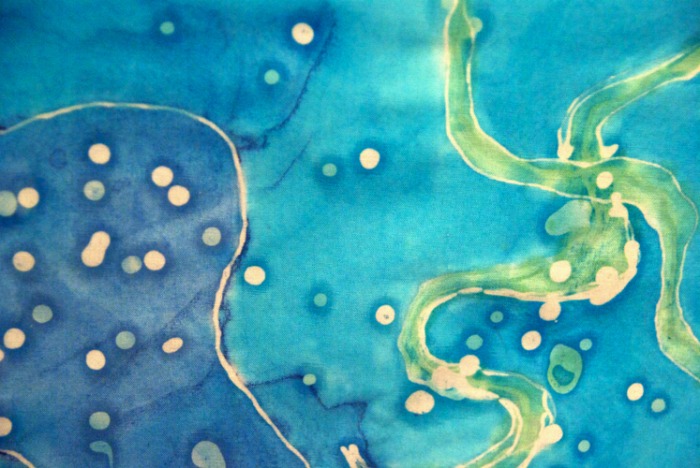
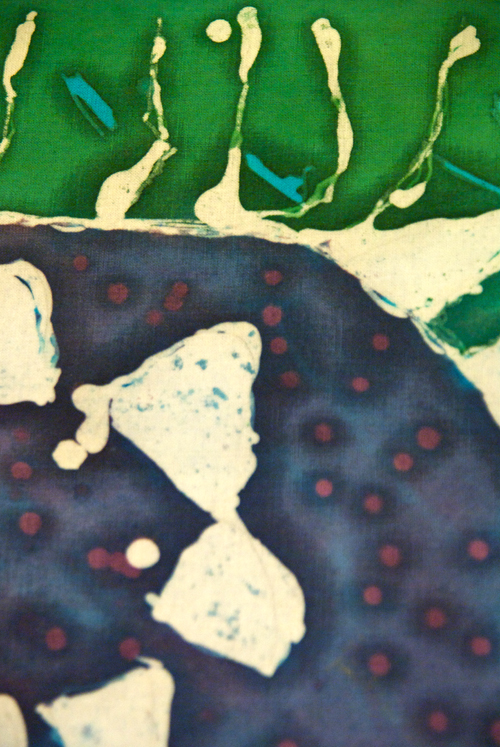
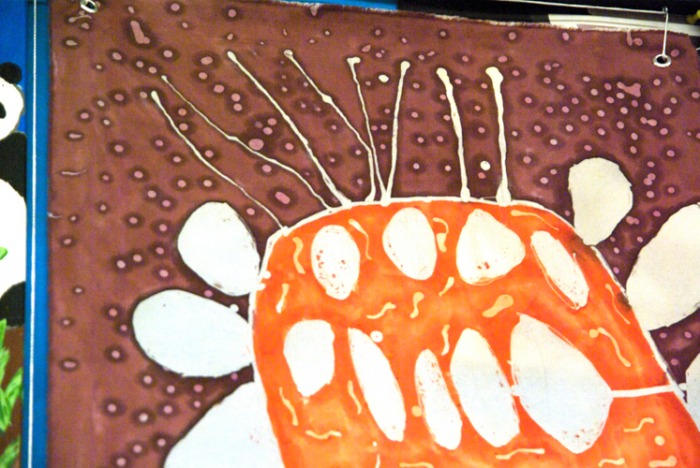
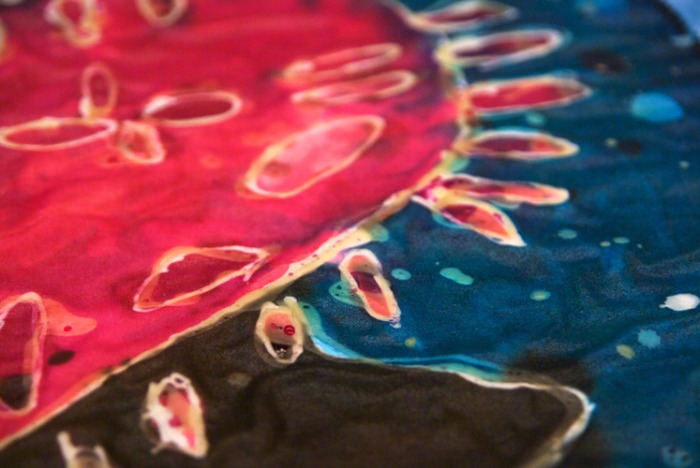
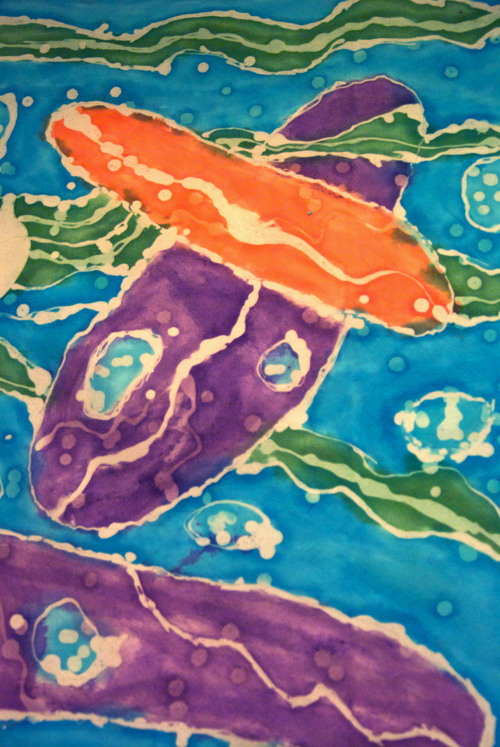
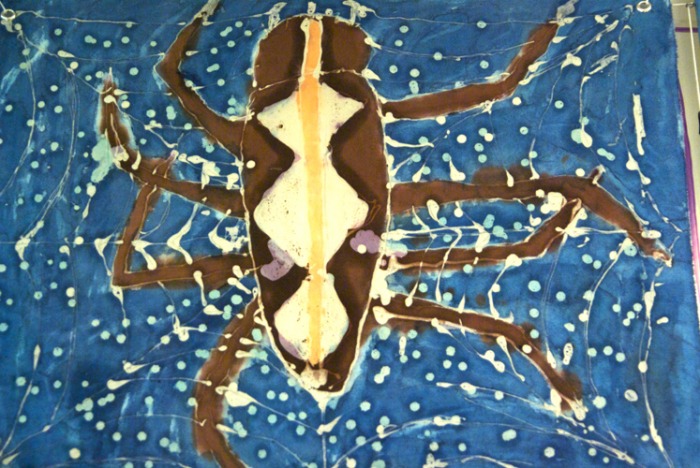
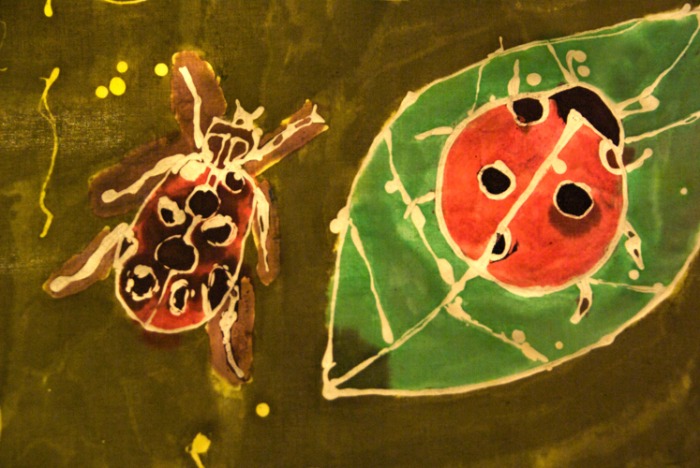
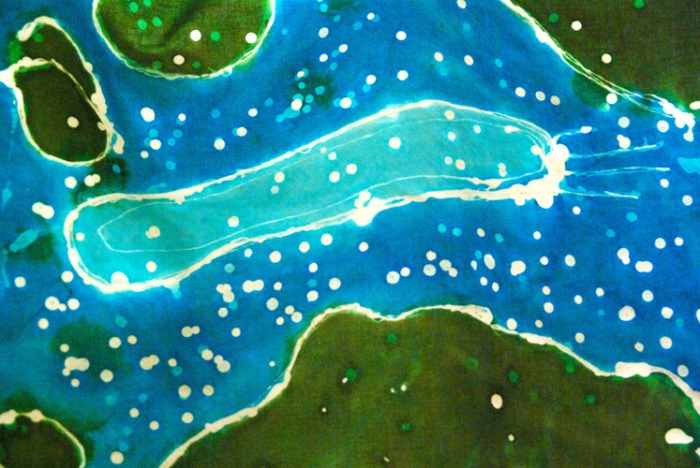
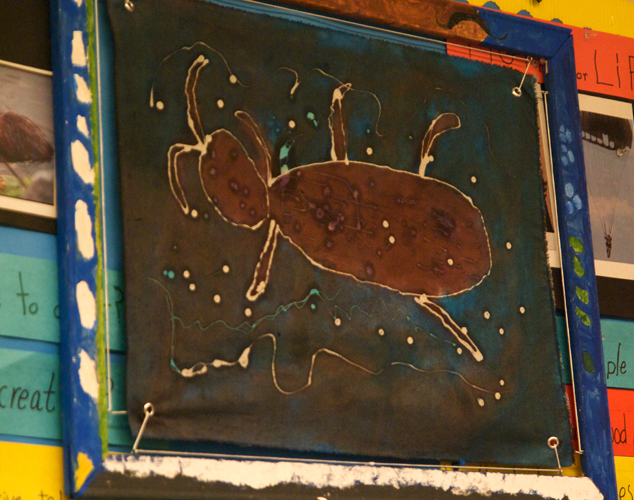
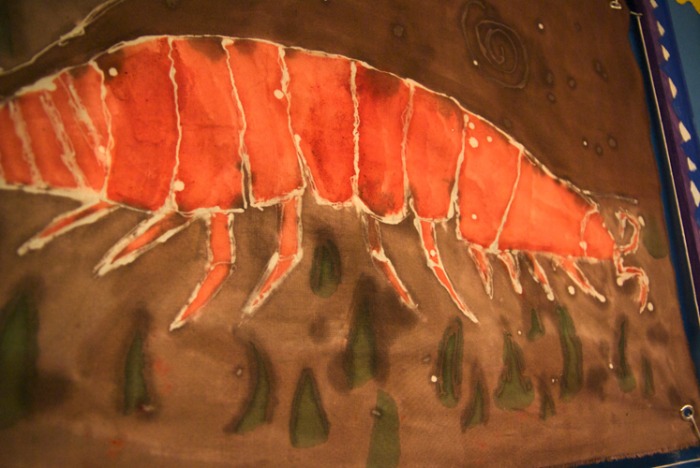
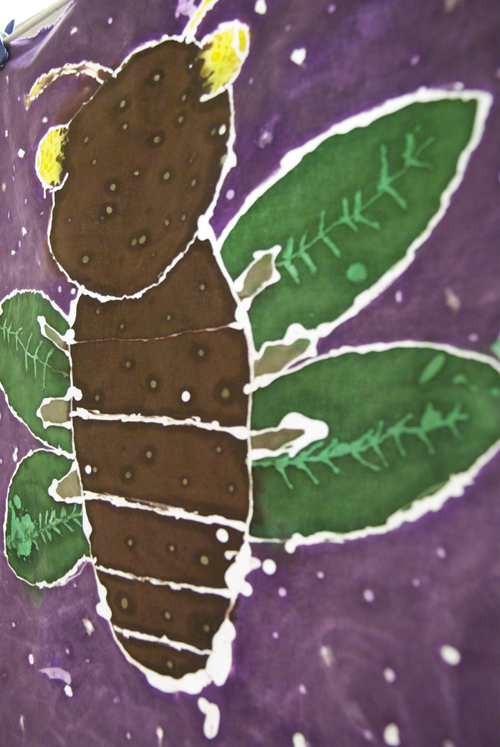
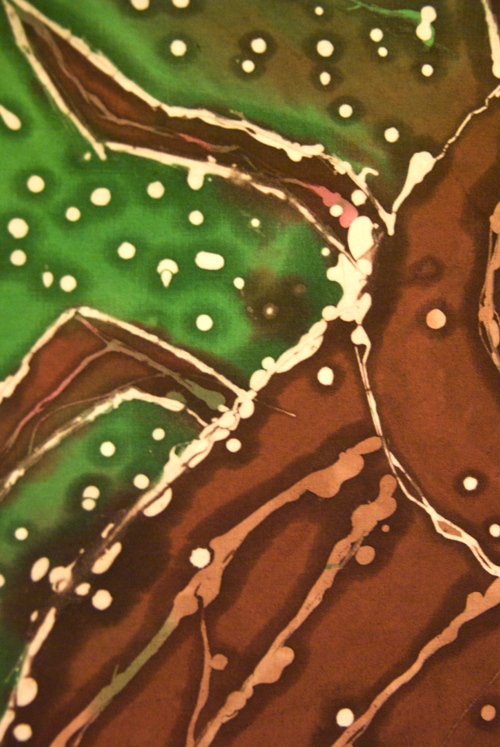
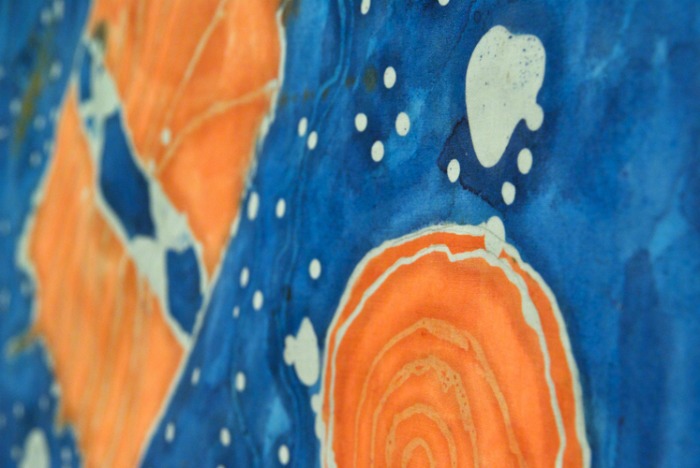
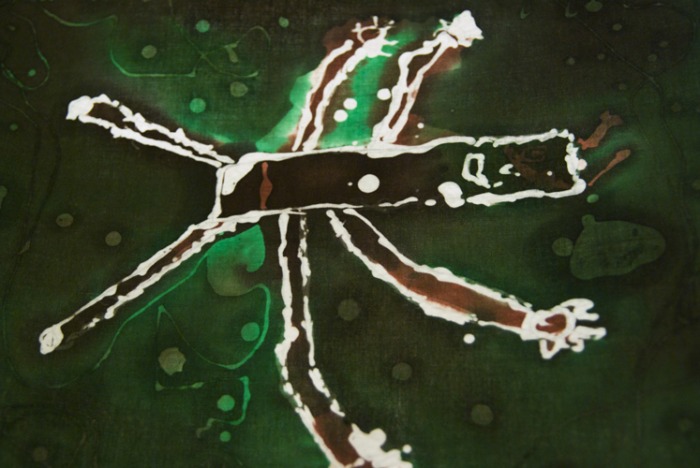
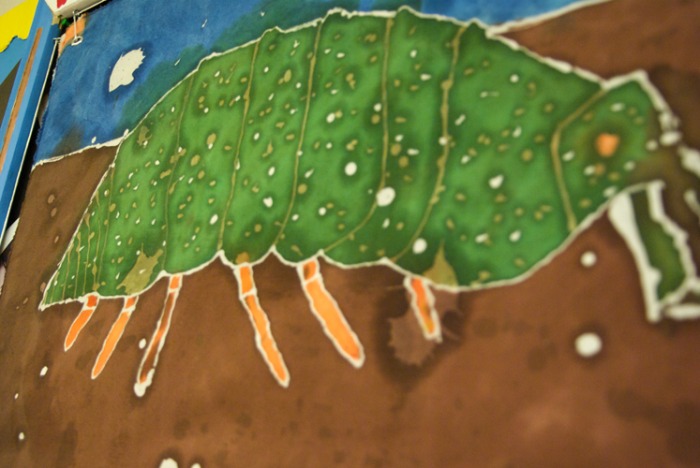
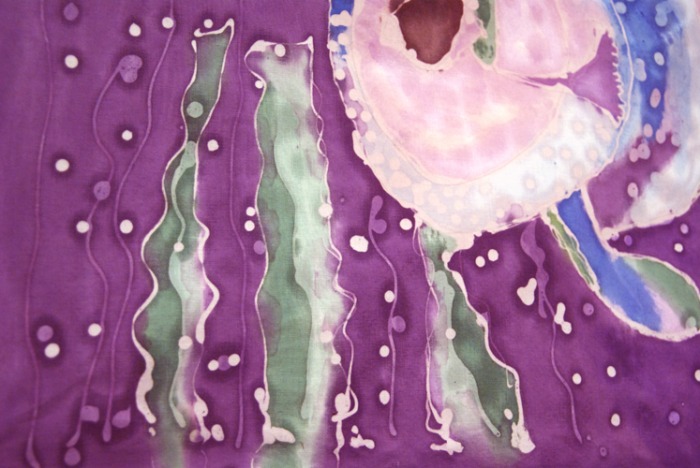
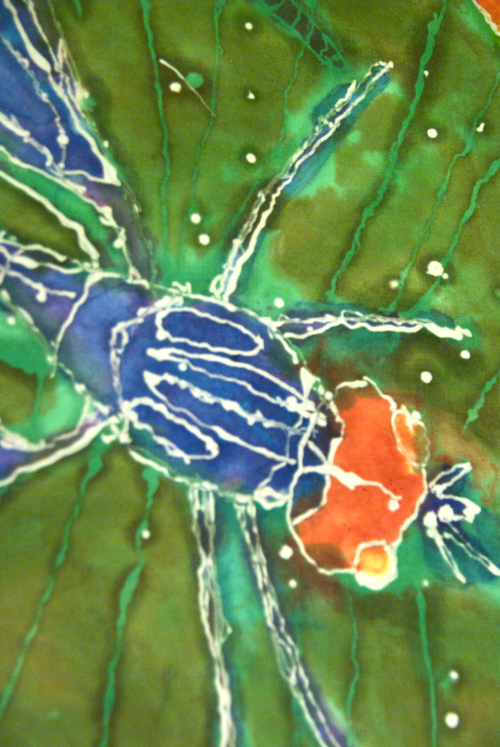
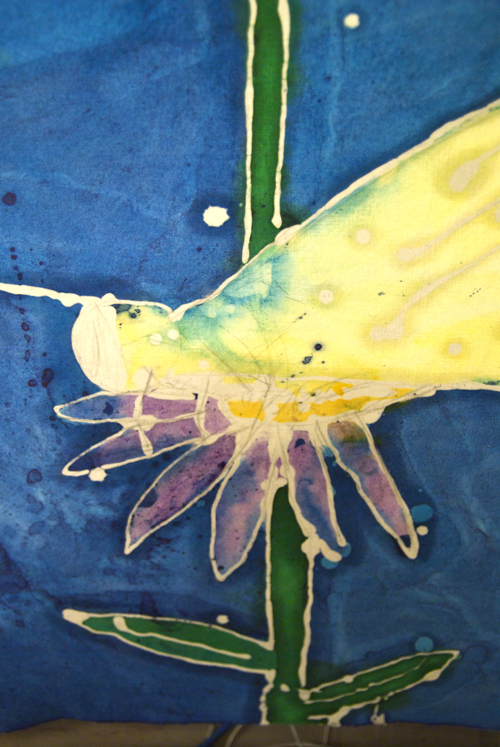
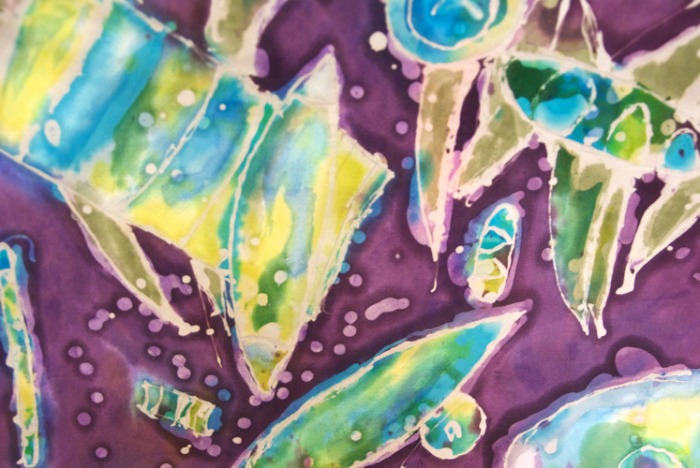
This account exists in multiple parts: • Volume 1: Explanation of the Project • Volume 2: The Frames and the Four Factors • Volume 3: Starting the Batik Process • Volume 4: Color Planning Gets More Complex • Volume 5: It's Time to Die! ...ahem... I Mean Dye. • Volume 6: These Incredible Artists Click on any image throughout to see a larger version. :::::::::::::::::::::::::::::::::::::::::::::::::::::::::::::: I love standing close to the finished works and inspecting the details. Batik is so forgiving that an accidental splash of wax or leak of dye looks completely intentional in the final project. The inefficient wax removal process gives areas of color extra contrast as they are bordered by wax-saturated fabric. Several students selected the same microorganism for their batik project, and even used the same photograph for reference for their art, but still ended up with unique and beautiful pieces. These four chose the peacock mite (watch the video!), and though the basic shapes and details are the same, the color choices alone make these works stand apart. Of course, standing back and viewing the whole piece is quite stunning, as well!  3/21/2010 07:37:29 am
John James Audobon was a fantastic painter of birds. True, he had artistic skills, but it was his thorough knowledge of the subjects that made them come to life. You have used the lure of making art to get your students to dig deeper into the subject of their organism and the biome. Comments are closed.
|
Topics
All

Archives
May 2021
|




 RSS Feed
HOME |
PHOTOGRAPHY COLLECTIONS
|
© COPYRIGHT 2020. ALL RIGHTS RESERVED.
|